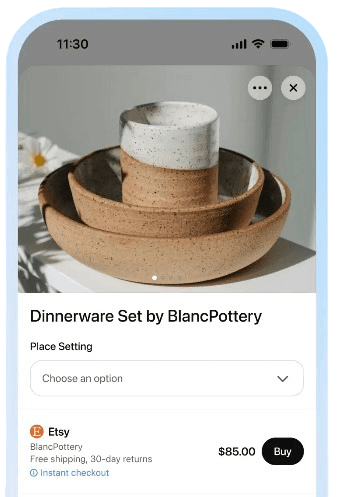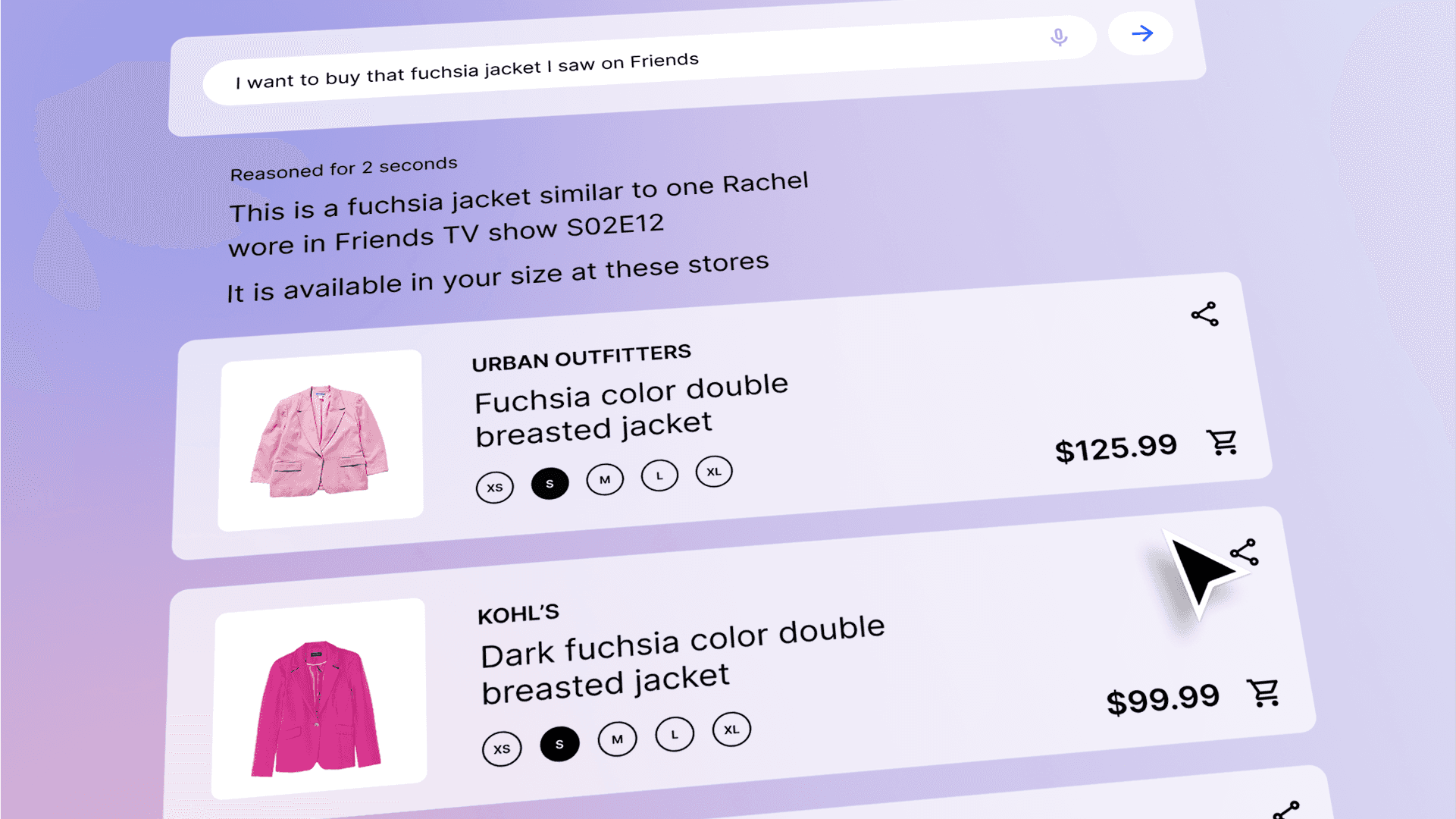
Agentic commerce is no longer a futuristic concept—it's happening today across multiple industries and use cases. From AI agents helping users find the perfect running shoes to automated procurement systems for businesses, agentic commerce is transforming how we discover, evaluate, and purchase products. This comprehensive guide explores 15 real-world examples of agentic commerce in action, demonstrating how AI is revolutionizing online shopping across different sectors and use cases. ## Understanding Agentic Commerce Through Real Examples Before diving into specific examples, it's important to understand how agentic commerce works in practice. Unlike traditional e-commerce where users manually browse and purchase products, agentic commerce enables AI agents to: - Understand user needs through natural language requests - Search across multiple platforms to find relevant products - Evaluate options based on specifications, reviews, and preferences - Make purchasing decisions when authorized by the user - Handle the entire transaction from discovery to payment These capabilities are being implemented across various industries, creating new opportunities for both consumers and businesses. ## Retail and Fashion Examples ### 1. AI-Powered Wardrobe Styling Company: Stitch Fix (with AI integration) How It Works: Users describe their style preferences, occasion needs, and budget to an AI agent. The agent analyzes their profile, current wardrobe, and fashion trends to curate personalized clothing selections. Example Scenario: A user tells an AI agent, "I need a professional outfit for a job interview next week, budget under $200, and I prefer classic styles." The agent searches through available inventory, considers the user's size, color preferences, and previous purchases, then presents a curated selection of items. Key Benefits: - Personalized styling based on individual preferences - Time savings for busy professionals - Access to expert fashion advice - Reduced decision fatigue ### 2. Smart Shoe Recommendations Company: Nike (with AI integration) How It Works: AI agents analyze user activity data, foot measurements, and running patterns to recommend the perfect athletic shoes. The agent considers factors like running style, terrain preferences, and injury history. Example Scenario: A runner tells an AI agent, "I need new running shoes for marathon training. I have high arches and prefer lightweight shoes for long distances." The agent analyzes the user's running data, considers their foot type, and recommends specific shoe models with detailed explanations. Key Benefits: - Scientifically-based recommendations - Reduced risk of injury - Optimized performance - Personalized fit and comfort ### 3. Seasonal Wardrobe Updates Company: Various fashion retailers How It Works: AI agents proactively suggest seasonal wardrobe updates based on weather patterns, upcoming events, and current inventory. The agent learns user preferences and automatically suggests relevant items. Example Scenario: As winter approaches, an AI agent analyzes the user's current wardrobe, local weather patterns, and upcoming calendar events to suggest winter coats, boots, and accessories that complement their existing style. Key Benefits: - Proactive wardrobe management - Seasonal trend awareness - Coordinated outfit suggestions
- Budget-conscious recommendations ## Technology and Electronics Examples ### 4. Smart Home Device Integration Company: Amazon (with Alexa integration) How It Works: AI agents help users discover and purchase smart home devices that integrate with their existing setup. The agent considers compatibility, user preferences, and home automation goals. Example Scenario: A user asks an AI agent, "I want to automate my living room lighting and control it with my voice." The agent analyzes their existing smart home setup, recommends compatible smart bulbs and switches, and even suggests installation services. Key Benefits: - Compatibility assurance - Simplified setup process - Coordinated smart home ecosystem - Future-proof recommendations ### 5. Gaming Equipment Optimization Company: Various gaming retailers How It Works: AI agents analyze gaming preferences, performance requirements, and budget constraints to recommend gaming equipment. The agent considers factors like game genres, performance needs, and ergonomic requirements. Example Scenario: A gamer tells an AI agent, "I need a gaming setup for competitive FPS games, budget around $1500, and I prefer mechanical keyboards." The agent recommends a complete setup including monitor, keyboard, mouse, and headset optimized for competitive gaming. Key Benefits: - Performance-optimized recommendations - Budget-conscious suggestions - Gaming-specific expertise - Coordinated equipment selection ### 6. Business Technology Procurement Company: Various B2B technology providers How It Works: AI agents handle corporate technology procurement by analyzing business needs, budget constraints, and compatibility requirements. The agent can process complex procurement workflows and ensure compliance with company policies. Example Scenario: An IT manager tells an AI agent, "We need to upgrade our office computers for 50 employees, budget of $75,000, and we need systems that can handle video editing and 3D modeling." The agent analyzes requirements, compares options, and presents a comprehensive procurement plan. Key Benefits: - Complex requirement analysis - Budget optimization - Compliance assurance - Streamlined procurement process ## Food and Beverage Examples ### 7. Personalized Meal Planning Company: Various meal delivery services How It Works: AI agents analyze dietary preferences, health goals, and cooking skills to recommend meal plans and ingredients. The agent considers nutritional requirements, taste preferences, and cooking time constraints. Example Scenario: A user tells an AI agent, "I want to eat healthier, I'm vegetarian, and I have 30 minutes to cook dinner." The agent recommends a week's worth of vegetarian meals, creates a shopping list, and even suggests cooking techniques and timing. Key Benefits: - Personalized nutrition planning - Time-efficient meal preparation - Dietary requirement compliance - Skill-appropriate recipes ### 8. Wine and Beverage Pairing Company: Various wine retailers How It Works: AI agents analyze food preferences, occasion requirements, and budget constraints to recommend wines and beverages. The agent considers pairing principles, personal taste preferences, and regional preferences. Example Scenario: A user tells an AI agent, "I'm hosting a dinner party with Italian food, budget around $100 for wine, and I prefer red wines." The agent recommends specific wines that pair well with Italian cuisine, considers the user's taste preferences, and suggests serving temperatures and decanting times. Key Benefits: - Expert pairing recommendations - Occasion-appropriate selections - Budget-conscious suggestions
- Educational content about wine ### 9. Grocery Shopping Optimization Company: Various grocery delivery services How It Works: AI agents analyze shopping history, dietary preferences, and household needs to optimize grocery shopping. The agent can suggest substitutions, identify deals, and ensure nothing essential is forgotten. Example Scenario: A user tells an AI agent, "I need groceries for the week, I'm cooking for a family of four, and I want to try some new healthy recipes." The agent analyzes the family's preferences, suggests new recipes, creates a comprehensive shopping list, and even identifies the best deals and substitutions. Key Benefits: - Comprehensive meal planning - Cost optimization - Dietary requirement compliance
- Reduced food waste ## Home and Lifestyle Examples ### 10. Home Decor Coordination Company: Various home decor retailers How It Works: AI agents analyze home photos, style preferences, and budget constraints to recommend home decor items. The agent considers room dimensions, existing furniture, and design principles. Example Scenario: A user shows an AI agent photos of their living room and says, "I want to create a cozy, modern look, budget around $500, and I prefer neutral colors." The agent analyzes the space, recommends specific decor items, and even suggests placement and styling tips. Key Benefits: - Coordinated design recommendations - Space-appropriate suggestions - Style consistency - Budget-conscious planning ### 11. Garden and Plant Care Company: Various garden centers and plant retailers How It Works: AI agents analyze garden conditions, plant care experience, and aesthetic preferences to recommend plants and gardening supplies. The agent considers factors like climate, soil conditions, and maintenance requirements. Example Scenario: A user tells an AI agent, "I want to start a vegetable garden, I'm a beginner, and I have a small backyard with partial sun." The agent recommends easy-to-grow vegetables, suggests essential tools, and provides a planting schedule and care instructions. Key Benefits: - Condition-appropriate recommendations - Skill-level appropriate suggestions - Seasonal planning - Educational content and support ### 12. Pet Care and Supplies Company: Various pet supply retailers How It Works: AI agents analyze pet characteristics, health needs, and owner preferences to recommend pet supplies and care products. The agent considers factors like breed, age, health conditions, and lifestyle. Example Scenario: A user tells an AI agent, "I have a 2-year-old Golden Retriever, he's very active, and I want to make sure he's getting the best nutrition." The agent recommends high-quality dog food, suggests exercise equipment, and even recommends health supplements based on the dog's age and activity level. Key Benefits: - Pet-specific recommendations - Health and nutrition focus - Activity-appropriate suggestions
- Preventive care planning ## Business and Professional Examples ### 13. Office Supply Management Company: Various office supply retailers How It Works: AI agents analyze office usage patterns, employee needs, and budget constraints to optimize office supply procurement. The agent can predict usage, identify cost savings, and ensure adequate inventory. Example Scenario: An office manager tells an AI agent, "We need to restock office supplies for 25 employees, we're running low on paper and pens, and I want to stay within our $500 monthly budget." The agent analyzes usage patterns, recommends specific products, and even suggests bulk purchasing options for cost savings. Key Benefits: - Usage pattern analysis - Cost optimization - Inventory management - Bulk purchasing opportunities ### 14. Professional Development Resources Company: Various educational and professional development platforms How It Works: AI agents analyze career goals, skill gaps, and learning preferences to recommend professional development resources. The agent considers factors like industry requirements, time constraints, and learning styles. Example Scenario: A professional tells an AI agent, "I want to advance my career in digital marketing, I have 5 hours per week for learning, and I prefer hands-on projects." The agent recommends specific courses, suggests relevant certifications, and even creates a personalized learning path. Key Benefits:
- Personalized learning paths - Career goal alignment - Time-efficient recommendations - Skill gap identification ### 15. Event Planning and Supplies Company: Various event supply retailers How It Works: AI agents analyze event requirements, guest count, and budget constraints to recommend event supplies and services. The agent considers factors like event type, venue requirements, and seasonal availability. Example Scenario: An event planner tells an AI agent, "I'm planning a corporate holiday party for 100 people, budget of $5,000, and I want it to be memorable but professional." The agent recommends decorations, suggests catering options, and even provides a detailed timeline and checklist. Key Benefits: - Comprehensive event planning - Budget-conscious recommendations - Timeline and checklist creation - Vendor coordination ## Key Takeaways from Successful Implementations ### Common Success Factors Personalization: The most successful agentic commerce implementations focus heavily on personalization, using AI to understand individual preferences and make tailored recommendations. Context Awareness: Successful AI agents consider multiple factors including user preferences, budget constraints, timing requirements, and situational context. Learning and Adaptation: The best implementations continuously learn from user interactions, improving recommendations over time. Seamless Integration: Successful agentic commerce solutions integrate naturally into existing workflows and user interfaces. ### Implementation Best Practices Start Simple: Begin with basic agentic commerce capabilities and gradually add more sophisticated features. Focus on User Experience: Ensure that AI agents enhance rather than complicate the shopping experience. Provide Transparency: Give users visibility into how AI agents make decisions and recommendations. Enable Override: Always allow users to override AI agent decisions and maintain control. ### Future Opportunities Cross-Platform Integration: As agentic commerce matures, we can expect to see more cross-platform integration, allowing AI agents to search across multiple retailers and marketplaces. Predictive Commerce: AI agents will become more proactive, anticipating user needs and making suggestions before users even realize they need something. Social Commerce: Integration with social media will enable AI agents to consider social proof, reviews, and recommendations from friends and influencers. Voice Commerce: As voice interfaces become more sophisticated, agentic commerce will expand into voice-activated shopping experiences. ## Conclusion These 15 examples demonstrate the diverse applications of agentic commerce across different industries and use cases. From personalized fashion recommendations to automated business procurement, AI agents are transforming how we discover, evaluate, and purchase products. The key to success in agentic commerce is understanding that it's not about replacing human decision-making—it's about augmenting it with AI capabilities that can process vast amounts of information and make recommendations that humans might not have considered. As the technology continues to evolve, we can expect to see even more innovative applications and use cases emerge. The question isn't whether agentic commerce will become mainstream—it's how quickly you can adapt to take advantage of the opportunities it presents. Ready to explore how your business can implement agentic commerce? Learn more about our and discover how you can optimize your products for AI agent discovery.