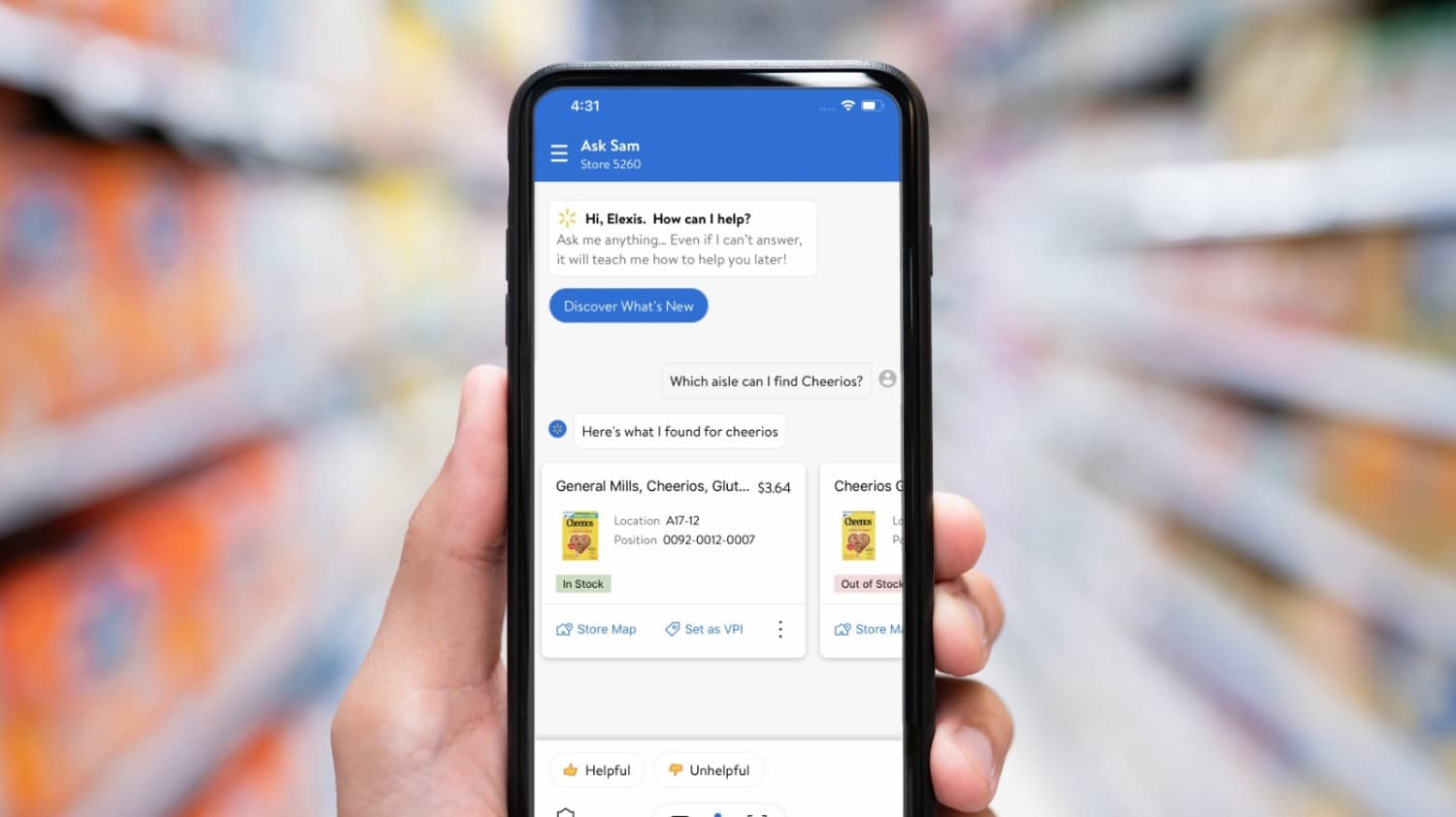
The End of the Search Bar
For twenty years, search ruled the internet.
If you wanted to find something, you typed it into a box, hit “Enter,” and hoped an algorithm guessed your intent correctly.
But that’s no longer how people discover products.
The future of discovery isn’t a search bar. It’s a conversation.
Today, when you ask ChatGPT, Claude, or Gemini for product recommendations, you’re not searching — you’re conversing.
And behind that shift is a fundamental redefinition of what it means to “find” something online.
We’ve officially entered the age of Agentic Commerce — where AI agents don’t just crawl the web. They understand it.
How We Got Here
The internet’s first generation was about content.
The second was about commerce.
The third — the one we’re living in now — is about context.
For decades, search engines trained us to think in keywords. “Best protein powder,” “cheap flights,” “furniture near me.”
But AI agents flipped that script. They don’t require keywords.
They require clarity — in meaning, intent, and emotion.
This is why when you ask, “What’s a sustainable coffee brand that actually tastes good?”, the AI doesn’t just list stores.
It reasons through context, quality, values, and data integrity — and delivers an answer that feels human.
That’s not search. That’s understanding.
Why Discovery Is Moving from Search to Dialogue
There are three forces driving this transformation: information overload, AI comprehension, and trust.
1. Information Overload
The web became too big to search efficiently. Even the most sophisticated algorithms couldn’t parse the endless noise of duplicated content, spammy SEO, and fake reviews.
AI agents solve this by curating — not crawling.
They read, interpret, and synthesize data from trusted sources, then distill that information into answers, not options.
That means your brand’s visibility no longer depends on fighting for clicks.
It depends on being understood.
2. AI Comprehension
AI doesn’t need ten blue links to make a recommendation.
It needs one clear, structured, verified feed — one that aligns with the Agentic Commerce Protocol (ACP).
ACP provides the semantic foundation for this new ecosystem. It gives AI agents the ability to:
- Understand what your product is
- Know who it’s for
- Describe it conversationally
- Recommend it confidently
When your product feed is ACP-compliant, AI agents don’t just see your catalog. They can talk about it.
That’s the essence of dialogue-based discovery.
3. Trust and Authenticity
In the marketplace era, brands earned visibility through SEO tricks and ad budgets.
In the conversational era, they earn it through credibility.
AI agents are trained to prefer verified, authenticated, well-structured data — and to avoid ambiguity or misinformation.
That’s why platforms like GXO.dev integrate verification tokens, brand authentication, and feed validation directly into the compliance layer.
The more trustworthy your data, the more confidently AI agents recommend you.
What “Conversation-First Commerce” Looks Like
In this new paradigm, a typical product discovery journey doesn’t start with a search query — it starts with curiosity.
“I’m looking for a skincare routine that works for sensitive skin.”
“What are some coffee brands that use ethical sourcing?”
“Find me running shoes that support flat feet.”
The AI agent parses tone, intent, and context.
Then it connects to structured feeds — powered by ACP — to find the best match.
The customer never clicks a link.
They simply hear the answer:
“Here’s a great option from [your brand]. It’s organic, dermatologist-approved, and well-reviewed.”
That’s not marketing copy. That’s agentic conversation.
How Brands Can Prepare
If you want to stay discoverable in this new landscape, the strategy is simple — but non-negotiable.
1. Structure Your Data
Without structured product data, AI agents can’t interpret your catalog accurately.
Implement ACP-compliant product feeds to make your listings readable and recommendable across all major AI systems.
You can do this automatically through GXO.dev Integrations — connecting Shopify, Etsy, BigCommerce, or Stripe with one click.
2. Speak Like a Human
Your product descriptions should sound the way people actually talk — conversational, vivid, and natural.
If an AI read your listing aloud, would it sound like something a friend might say?
Avoid robotic phrasing. Embrace tone, rhythm, and clarity.
AI agents reward brands that communicate like people, not spreadsheets.
3. Verify Your Source
Authentication is the new SEO authority.
AI agents rely on verification tokens and metadata to ensure your brand is legitimate.
In GXO.dev, verification happens automatically during the feed sync process — confirming your products are genuine and your data is trusted.
4. Measure Discovery Instead of Clicks
Forget traditional analytics.
In agentic commerce, your most valuable metrics are:
- AI discovery rate — how often AI agents surface your products
- Recommendation frequency — how often you’re chosen in dialogue
- Conversation-to-conversion ratio — how many interactions lead to sales
You can track all three in Feed Analytics.
This is how you monitor visibility in the age of dialogue, not search.
The Psychology of Conversational Discovery
Blair Warren once wrote that persuasion comes down to one simple truth:
“People will do anything for those who encourage their dreams, justify their failures, allay their fears, confirm their suspicions, and help them throw rocks at their enemies.”
Agentic discovery works on the same principle.
AI agents don’t just surface products — they advocate for them.
They recommend what feels aspirational, safe, familiar, and aligned with the user’s intent.
And the brands that express that emotional clarity in their structured data will dominate this new ecosystem.
That’s not manipulation. That’s resonance.
From Transactions to Conversations
When marketplaces ruled, commerce was transactional.
Today, it’s relational — a dialogue between humans and the digital intelligence that helps them make choices.
This shift is bigger than e-commerce optimization.
It’s the foundation of a new commercial layer built on trust, understanding, and communication.
The brands that adapt now won’t just survive the change.
They’ll shape it.
Final Thoughts
The marketplace era was about visibility.
The conversational era is about comprehension.
If your brand can’t be understood, it can’t be discovered.
If it can’t be discovered, it can’t grow.
At GXO.dev, we’re building the connective tissue between those worlds — giving brands the tools to move from search to conversation, from clicks to clarity, from marketplaces to meaning.
Because the future of commerce isn’t typed.
It’s spoken.
Want to make your brand discoverable through dialogue with GXO.dev?
Sign-up today and connect your store. Start by exploring ACP Settings or generate your first conversational feed with GXO.dev Integrations today.